Dive deep into television technologies, panel types, and technical specifications. Compare OLED, QLED, Mini-LED, and display resolutions to understand how modern TV hardware impacts performance and picture quality.
FIND YOUR PROBLEM
Search Tech & Specs troubleshooting guides
Type the symptom, error message or feature that is not working. Results stay inside this category.
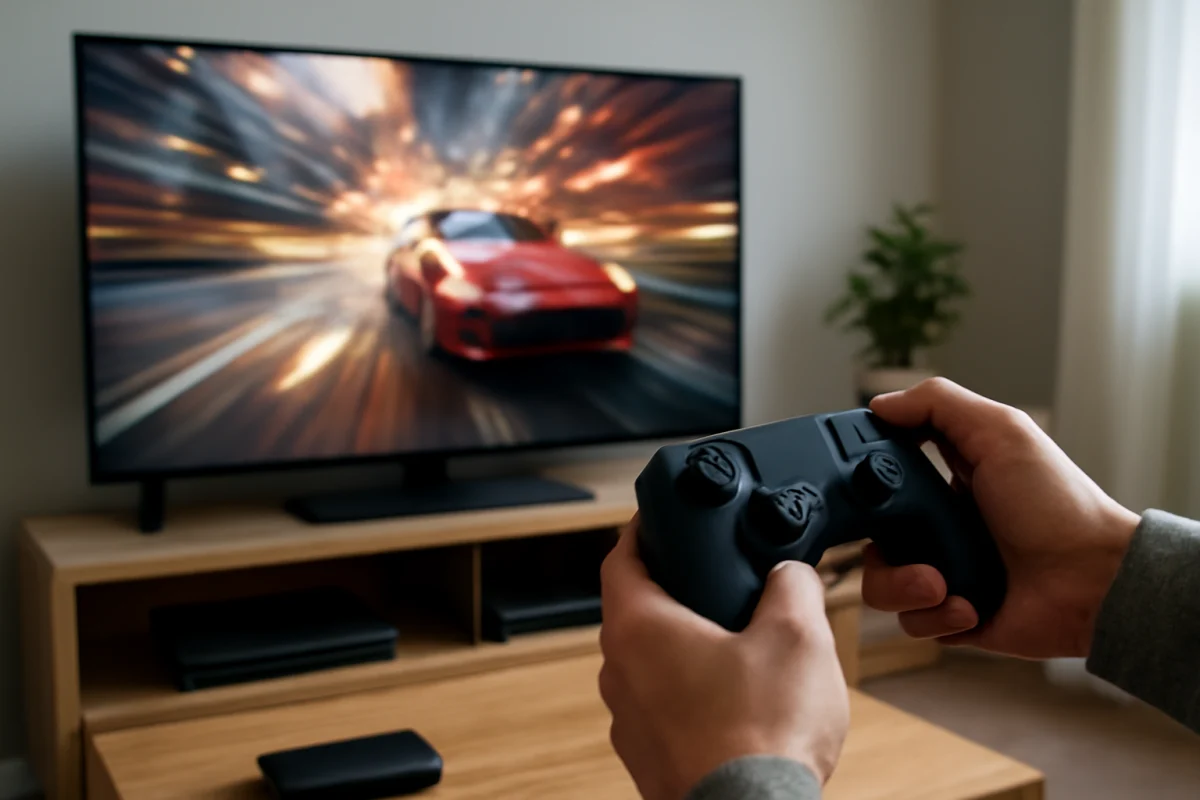
Learn the difference between TV response time and input lag, how each affects gaming, and which practical settings can make controls feel more immediate.
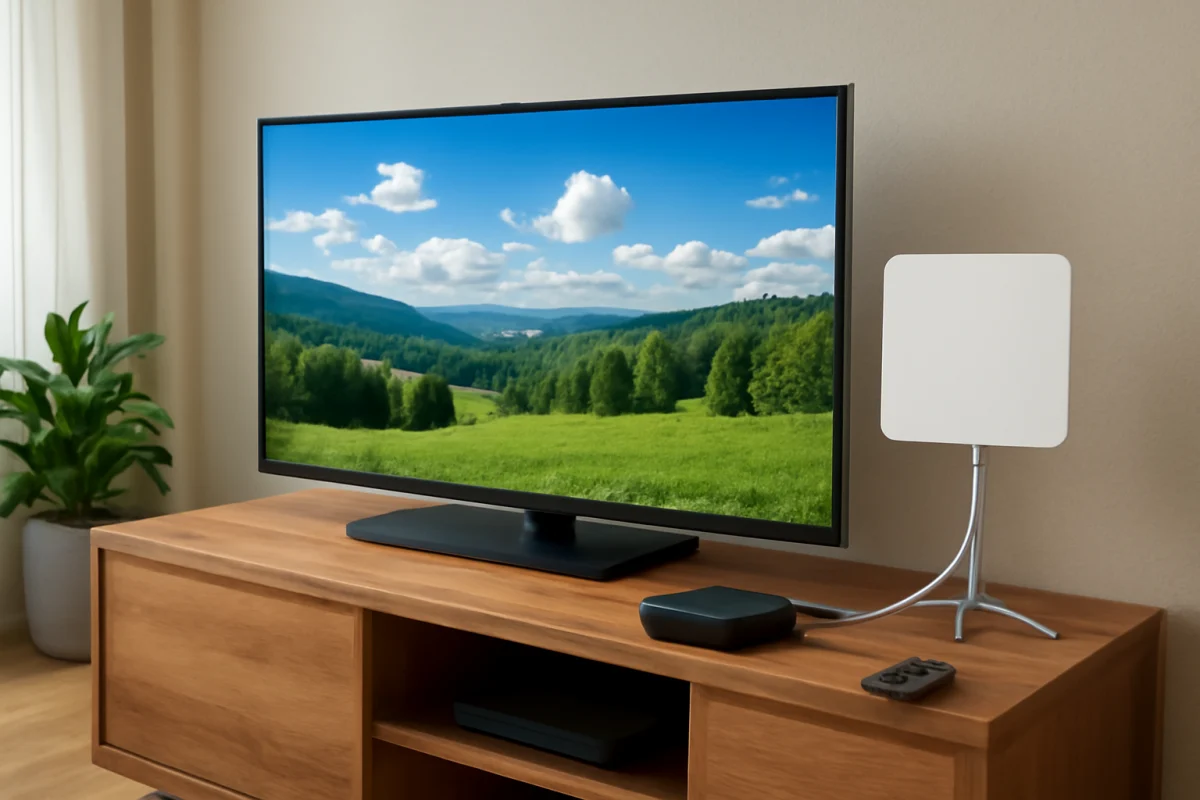
ATSC 3.0, also called NextGen TV, is a newer broadcast standard that combines over-the-air television with internet-style features. Learn how it works, what you need, and how to troubleshoot reception problems.
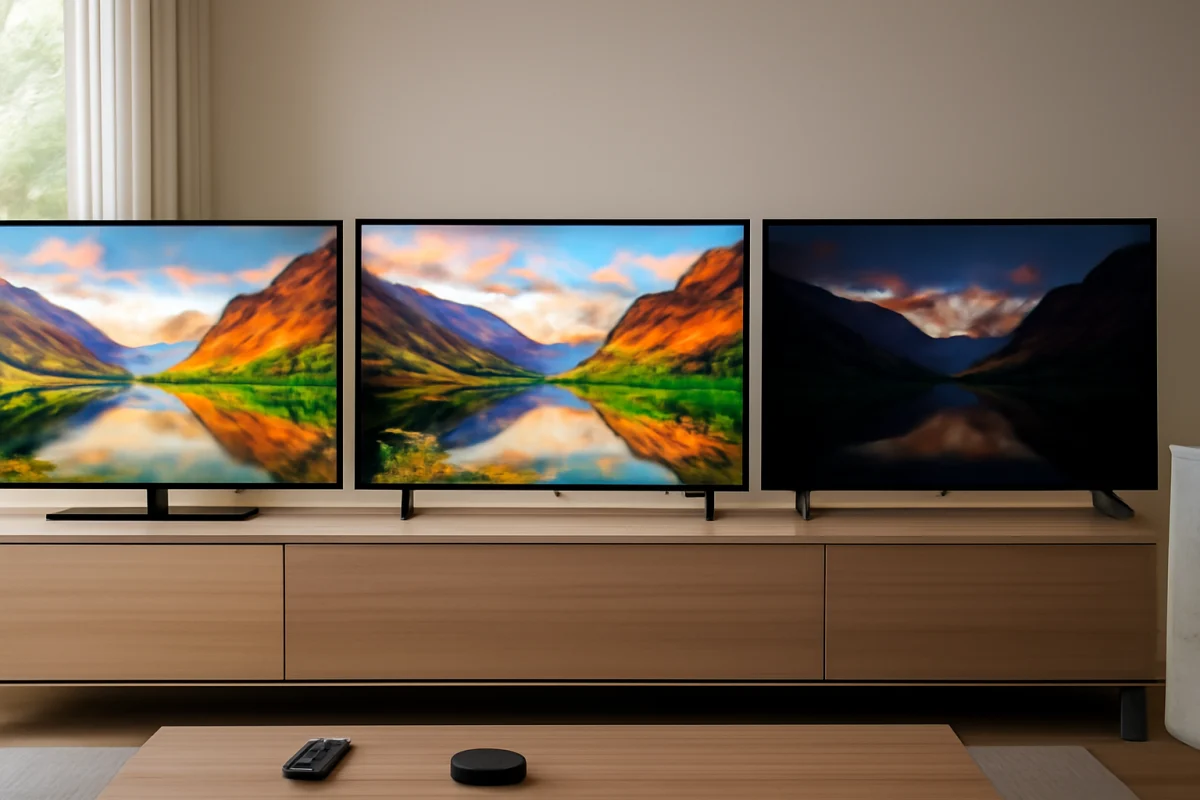
LED, OLED, and QLED TVs each excel in different situations. Learn how brightness, contrast, viewing habits, room lighting, gaming, and long-term care should guide your choice.
Peak brightness affects how convincingly a TV displays HDR highlights, but brightness alone does not determine picture quality. Learn what it means and how to troubleshoot weak HDR.
Wide color gamut allows a TV to display a broader range of colors than standard displays. Learn what it means, how it works, and when you can actually see the difference.
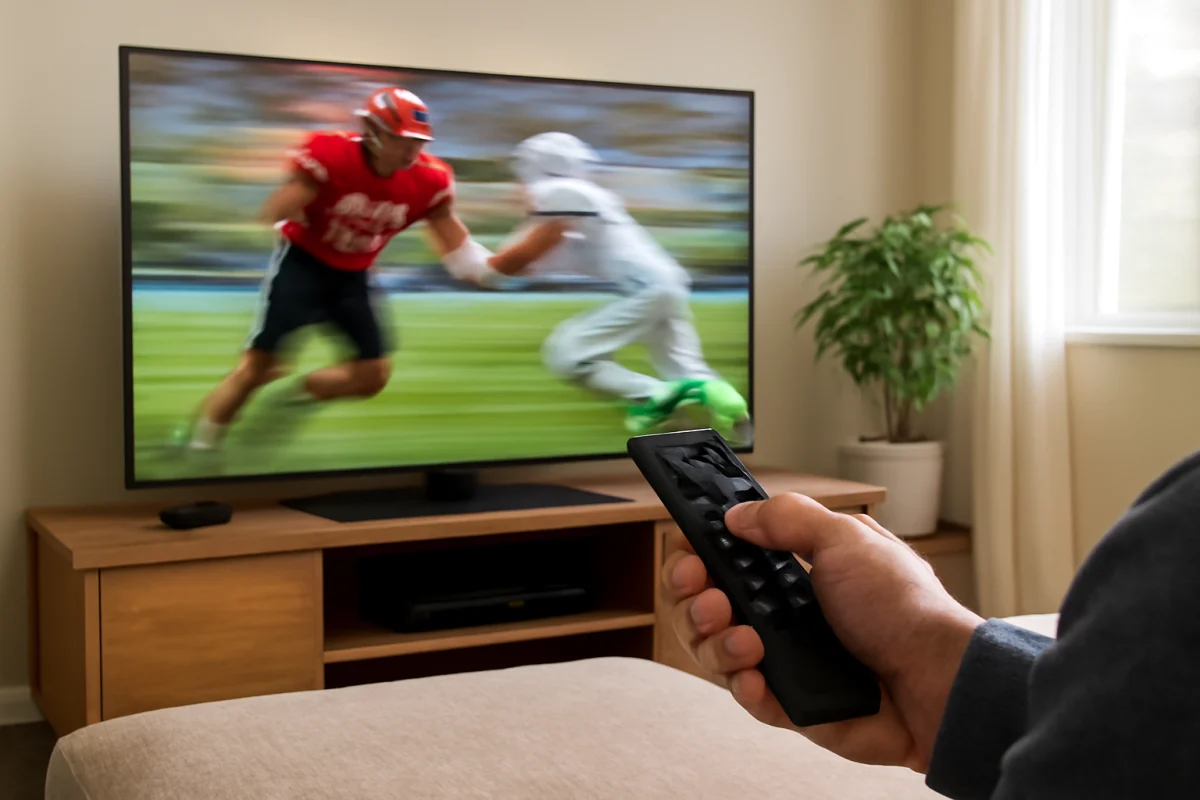
TV motion smoothing can make sports look clearer, but it may also create an artificial appearance or distracting motion artifacts. Learn what it does, when to use it, and how to troubleshoot it safely.
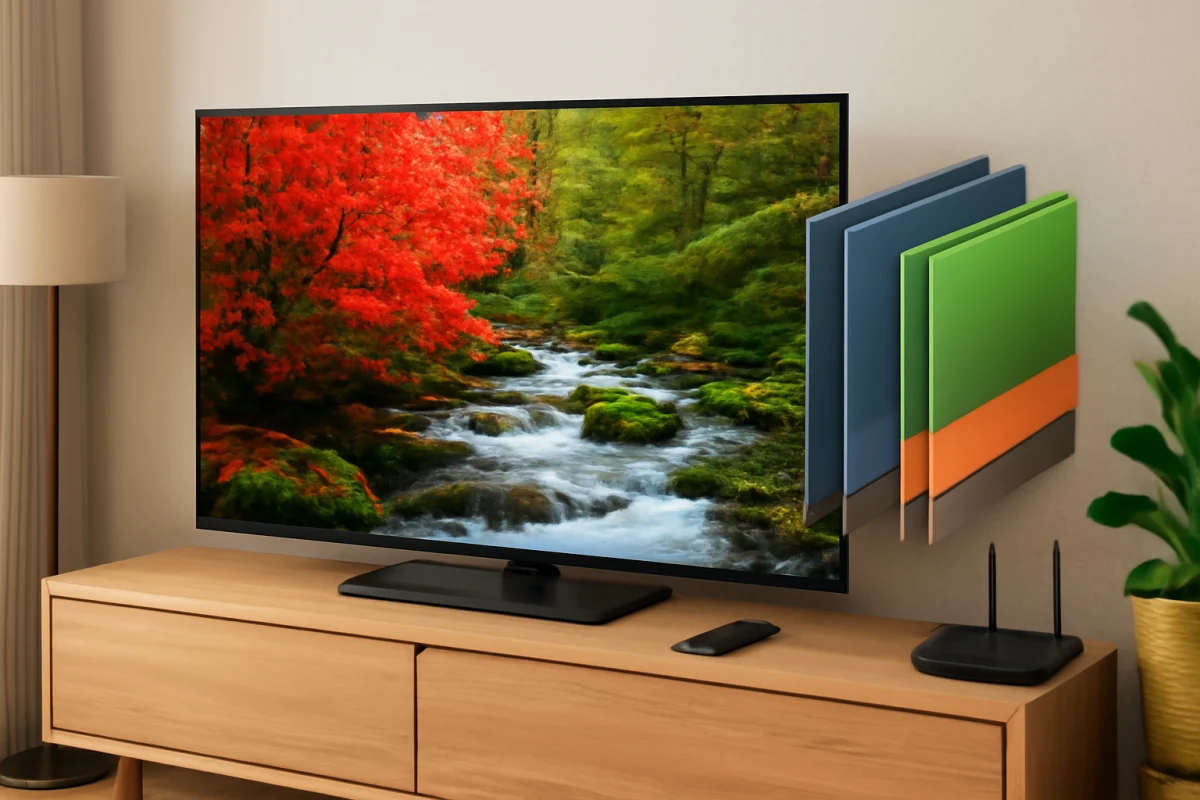
Quantum dots help some TVs produce brighter, more vivid colors. Learn how the technology works, how QLED compares with OLED, and what to check when colors look wrong.
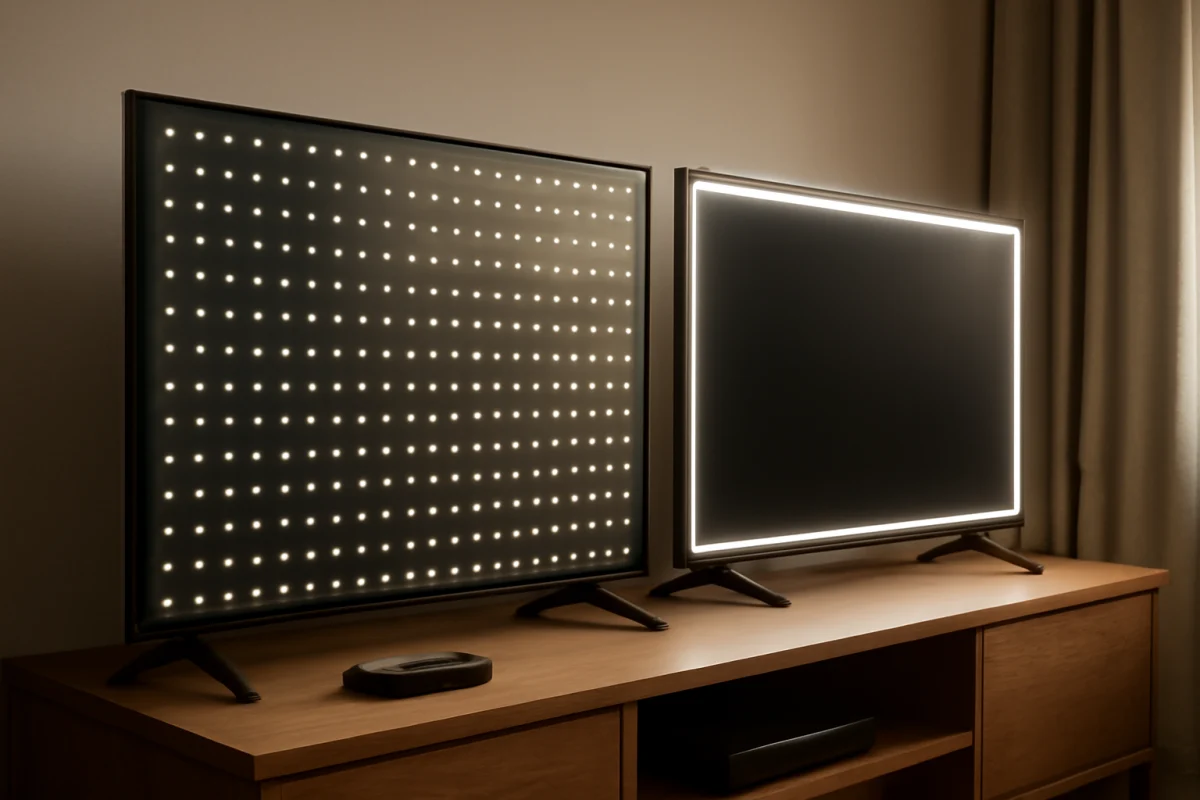
Direct-lit and edge-lit LED TVs use different backlight layouts, which can affect brightness, contrast, thickness, and screen uniformity. Here is how to compare them.
Learn how audio codecs, sound formats, and Dolby Atmos affect TV audio, plus practical steps to diagnose missing surround sound, delay, or weak dialogue.