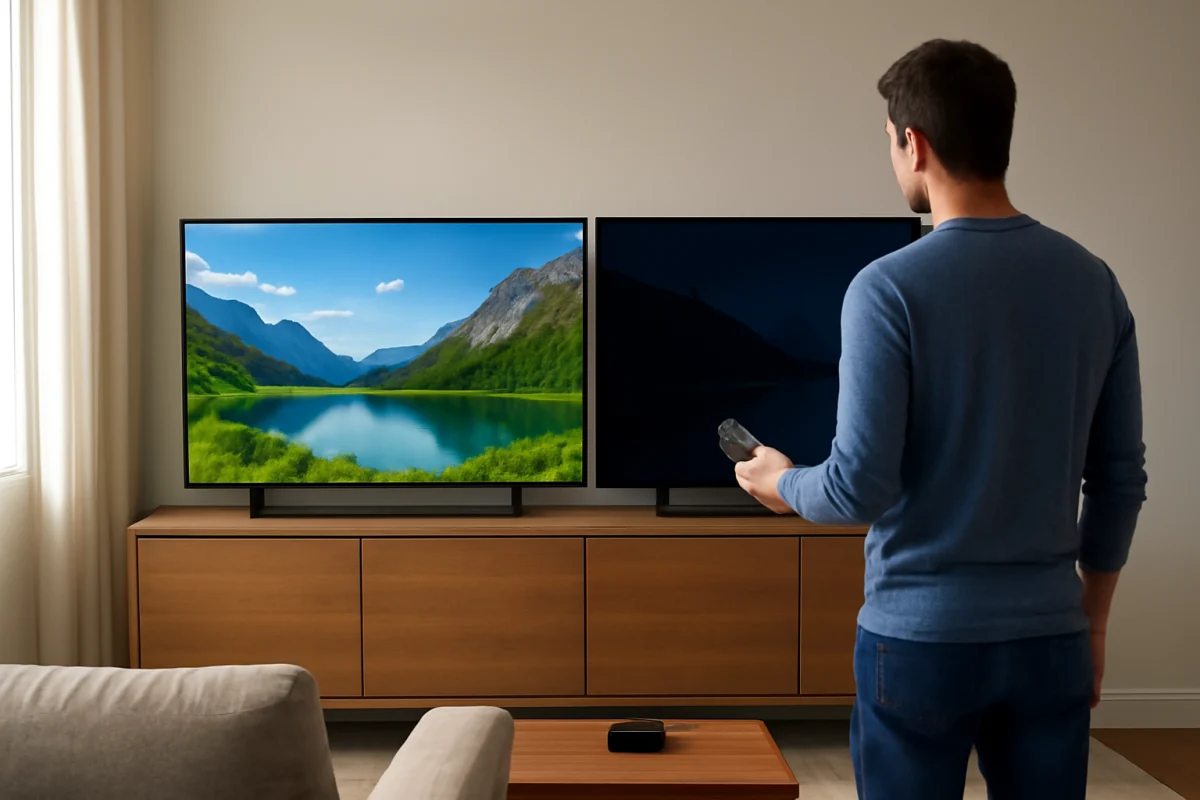
The best TV brand for most people is not automatically the most expensive one. A strong value usually comes from choosing the right model tier for your room and avoiding features you will not use. In general, TCL and Hisense often compete aggressively on price, Samsung and LG offer broad model ranges and polished smart-TV experiences, and Sony is frequently considered when image processing and motion handling matter most. Vizio and other value-focused brands can also make sense when the price is substantially lower and your expectations are realistic.
Before comparing logos, decide how you watch. A bright living room, a dark movie room, frequent gaming, sports, cable viewing, and heavy streaming use can all change which brand is the better fit. Brand reputation is useful, but the specific model, size, retailer, warranty, and current price matter just as much.
Start with the viewing situation
The right purchase begins with the room rather than the brand name. Look at the TV from your usual seating position during both daytime and nighttime viewing. Notice reflections from windows and lamps, estimate the viewing distance, and consider whether several people will watch from different angles.
- Bright rooms: Prioritize a screen that can produce a strong, usable picture without forcing you to close curtains all day. Anti-reflection performance and brightness can be as important as resolution.
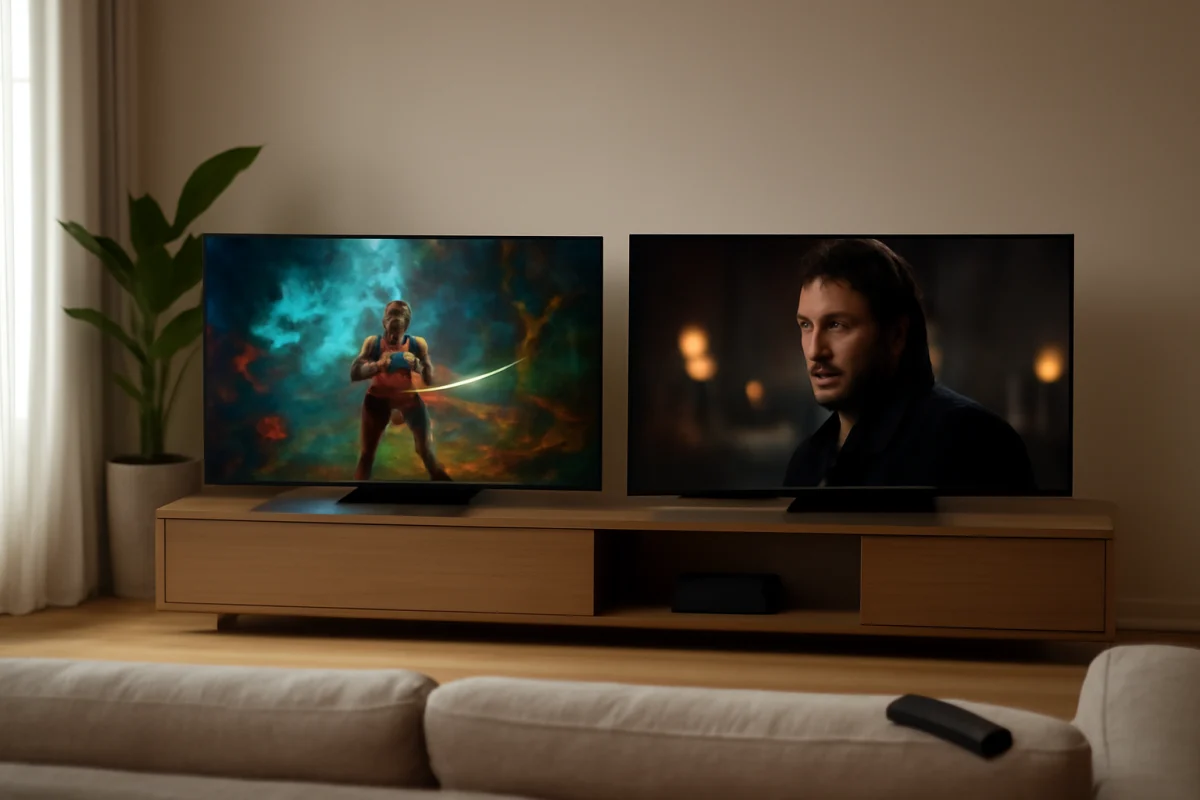
- Dark rooms: Contrast and black-level performance become more noticeable, especially during movies and shows with nighttime scenes.
- Wide seating: Check how the picture changes when viewed from the side. Some screens maintain color and contrast better than others.
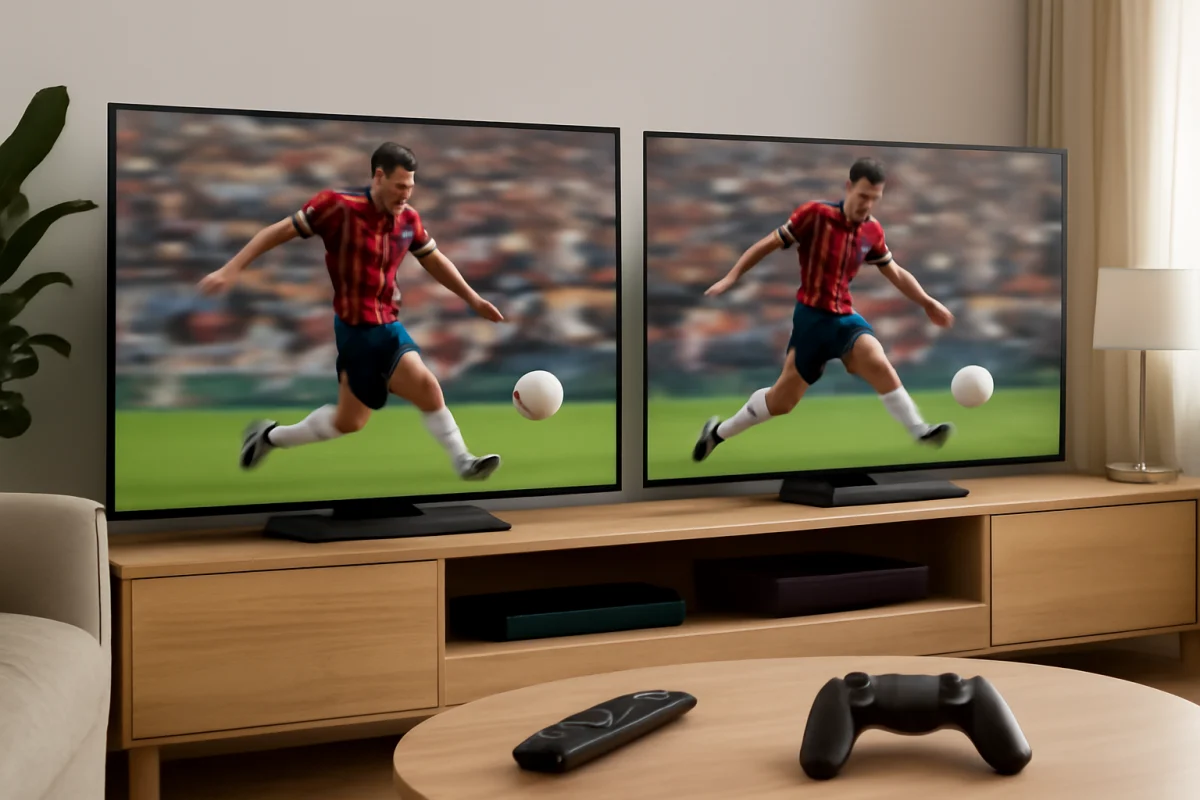
- Sports and live TV: Motion handling, upscaling, and the quality of the TV's internal processing deserve extra attention.
- Gaming: Look for the inputs, display features, and response behavior that match your console or PC. These capabilities vary by model and size, even within one brand.
If you are replacing a TV because of a problem rather than upgrading, first confirm that the issue is not caused by a cable, input, network connection, or remote. The TV Fix Guide home page has troubleshooting resources that can help you separate a fixable setup problem from a hardware limitation.
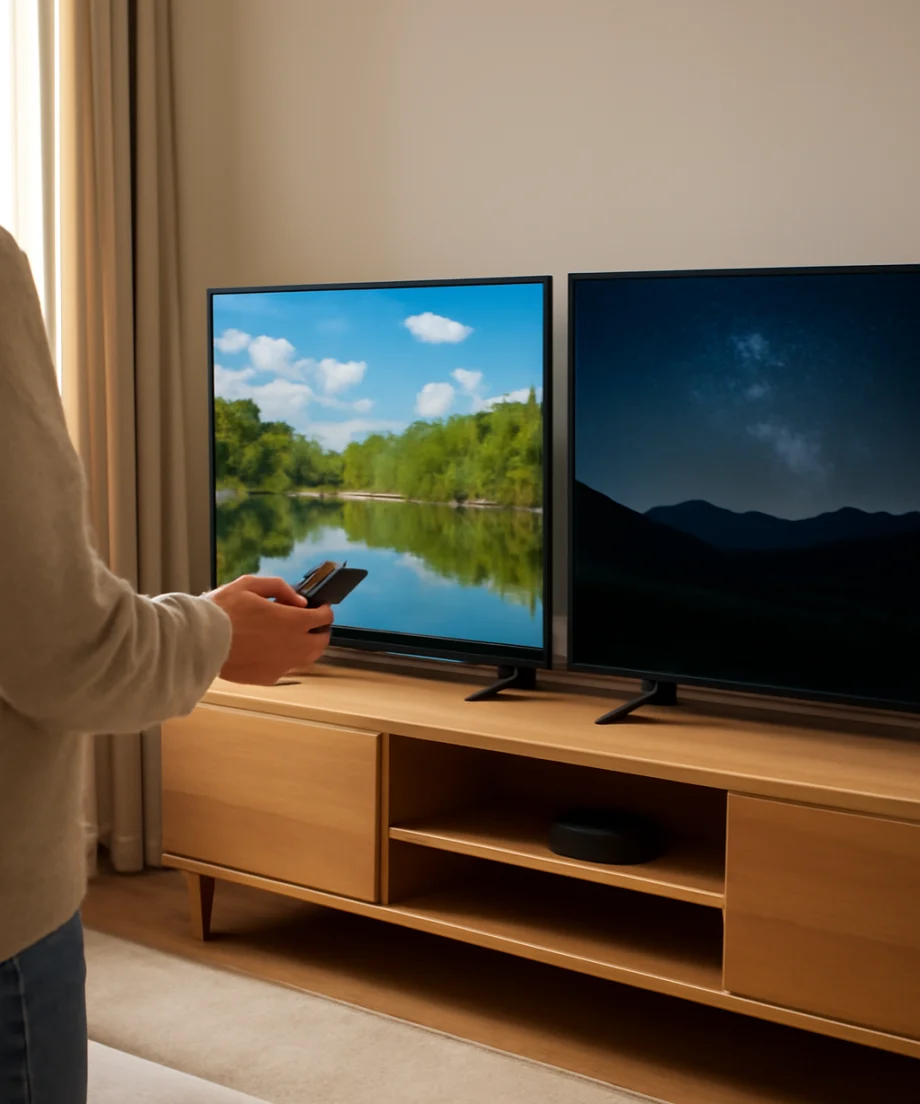
How the major TV brands usually compare
TCL: strong features for a controlled budget
TCL is often worth considering when you want a large screen or a modern feature set without moving into premium pricing. Its lineup covers several performance levels, so the brand name alone does not tell you how good a particular TV will look. A lower-tier model may be perfectly suitable for everyday streaming, while a more advanced model may offer better contrast, brightness, processing, or gaming support.
TCL is a good starting point for shoppers who want to maximize screen size and features per dollar. Compare the exact model carefully, particularly if you watch dark movies, sit off-center, or expect smooth performance from live sports. For troubleshooting and setup advice, see the TCL TV repair and troubleshooting guide.
Hisense: impressive value with model-by-model differences
Hisense frequently competes on specifications and price, making it attractive to shoppers who want a bright picture, a large display, or gaming-oriented features at a relatively accessible cost. As with TCL, its range includes meaningful differences between entry-level and higher-level models.
The main buying rule is simple: do not assume that every Hisense TV has the same processing, panel behavior, software experience, or motion performance. Read reviews of the exact model and size you are considering. Hisense can be a very good value when the model fits your room and your sources, but the cheapest option is not always the best long-term choice. The Hisense TV troubleshooting section can help after installation.
Samsung: polished features and broad availability
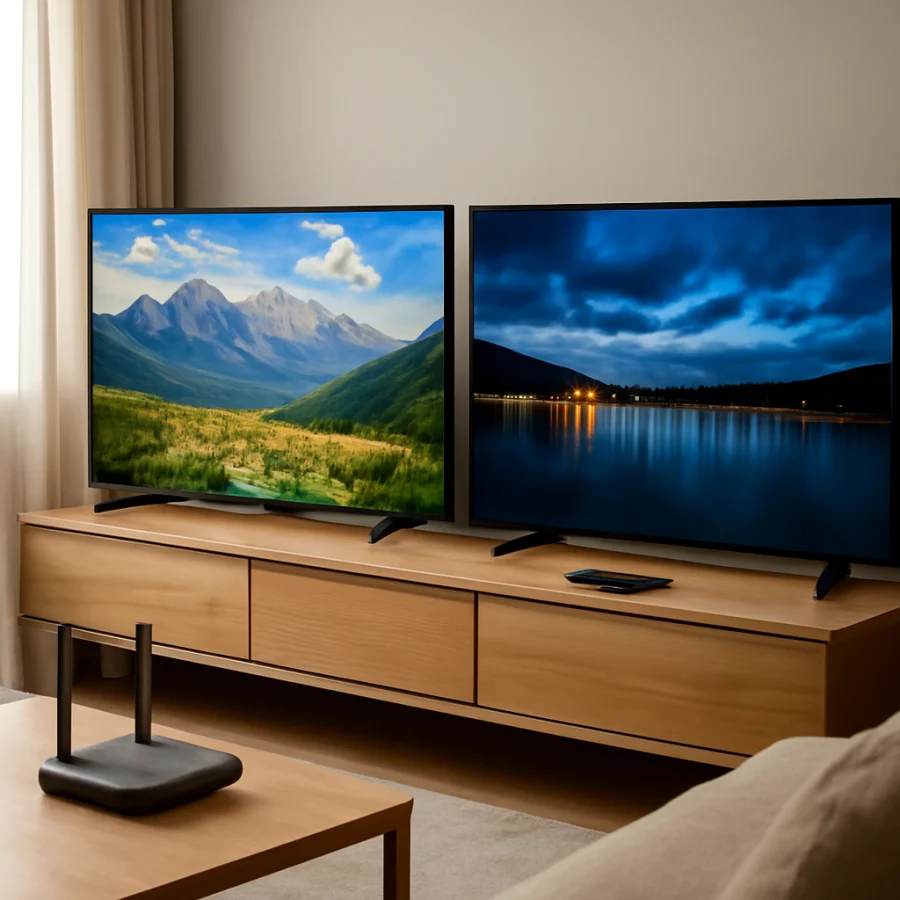
Samsung offers a wide range of televisions, from basic models to premium sets. Its strengths often include a polished overall presentation, widespread retailer availability, and a mature smart-TV platform. It can be a comfortable choice for households that want an established brand with many size and feature options.
Samsung is not automatically the best value at every size. Compare its picture performance, viewing angle, connectivity, and included features with similarly priced alternatives. Also remember that display behavior can vary substantially between Samsung model families. If you already own one, the Samsung TV support section covers common picture, sound, connection, and setup issues.
LG: a strong option for smart features and viewing angles
LG is another broad-range brand with options for budget-conscious shoppers and people seeking more advanced picture performance. Some LG screen technologies are particularly appealing in rooms where viewers sit at different angles, while other models may be better suited to bright rooms or general-purpose use. Do not generalize from one LG display type to the entire brand.
LG is often a good fit when you value a clean smart-TV experience, strong app support, or a screen that remains comfortable to view from the side. However, confirm the exact panel type and room suitability before buying. The best LG choice for a dark movie room may not be the best choice for a sunlit family room.
Sony: consider it when processing matters most
Sony TVs are often considered by viewers who care about how the television handles lower-quality broadcasts, streaming compression, motion, and film content. Good processing can make ordinary cable or older content look more natural, although it cannot turn a poor source into native high-quality video.
Sony may be worth the extra cost if you watch a lot of live TV, sports, movies, or lower-resolution content and notice image-processing differences. It may be harder to justify the premium if your primary goal is simply the largest possible screen for casual streaming. As always, compare the exact model rather than relying on brand reputation alone.
Vizio and other value brands: buy with realistic expectations
Value-focused brands can offer an attractive price, especially when you already plan to use an external streaming device or sound system. They may be a sensible choice for a guest room, rental property, secondary TV, or a primary TV where budget is the overriding concern.
The tradeoff can involve software responsiveness, update support, remote design, processing, viewing angles, or consistency between model families. These are not automatic failures, but they are reasons to check recent reviews and the return policy before purchasing. If the price difference is small, a better-supported model may provide more satisfying long-term value.
Picture quality is more than resolution
Nearly every current TV purchase will involve a high-resolution display, but resolution alone should not determine your choice. Contrast, brightness, color accuracy, motion handling, reflection control, and upscaling can have a larger effect on everyday viewing.
For movies in a dark room, prioritize contrast and shadow detail. For daytime viewing, consider brightness and reflections. For sports, pay attention to motion clarity and how the TV handles broadcast-quality video. For older cable channels, upscaling and processing can matter more than having the newest panel technology.
Be cautious with specifications presented without context. A higher claimed brightness level does not guarantee a better picture in every scene, and a long list of supported formats does not prove that the TV handles them well. Reviews of the exact model are more useful than a brand-wide assumption.
Smart-TV software and external streaming devices
Smart software affects how often you interact with the TV. Check whether the apps you use are available, whether the interface feels responsive, and whether you are comfortable with the included remote. App availability and menus can change by model, region, and software version, so confirm details before buying.
An external streaming device can reduce the importance of built-in software. It may offer a familiar interface, a better remote, or faster app performance, but it also adds another device, cable, power connection, and potential troubleshooting point. If you plan to use a streaming stick or box, you can put more emphasis on picture quality, inputs, and reliability than on the TV platform itself. Our streaming app troubleshooting resources cover common app and playback problems.
Reliability, support, and repairability
No major brand is immune to defects, software glitches, panel problems, or premature failure. Reliability reports can be helpful, but they rarely predict exactly how a particular TV will perform in your home. A careful purchase includes more than the brand name.
- Buy from a seller with a reasonable return process.
- Keep the receipt, packaging, and order information until the TV has been tested.
- Inspect the screen for damage before mounting it.
- Test every input, the speakers, Wi-Fi, the remote, and the apps you use most.
- Check the warranty terms that apply in your location and to the specific model.
Do not perform a factory reset or advanced service procedure just because an app loads slowly or the picture looks wrong. First select the correct input, reseat cables, restart the TV and network equipment, test another source, and check whether the problem affects one app or every source. Menus and reset steps vary by model, so use the manufacturer's instructions for your exact TV if advanced troubleshooting becomes necessary.
How to make the final choice
Shortlist two or three exact models instead of comparing brands in the abstract. Write down the screen size, room lighting, viewing angle, sources, gaming needs, smart-TV preferences, and total budget. Then compare those models for picture performance, ports, software, warranty, and return options.
A practical decision may look like this: choose TCL or Hisense when value and screen size lead the decision; consider Samsung or LG when you want a broad, polished ecosystem; look at Sony when processing and motion are especially important; and consider Vizio or another value brand when the lower price clearly outweighs software or support compromises. These are starting points, not guarantees.
The best balance of price and performance is the TV that performs well in your room, supports your devices, and does not force you to pay for features you will never use. Compare exact models, test the basics immediately after delivery, and favor a dependable return option when the differences are difficult to judge in a store.
Comments
0No comments yet. Be the first to share a helpful note or question.
Leave a Comment
Your email address will not be published. Comments are reviewed before appearing on the site.